
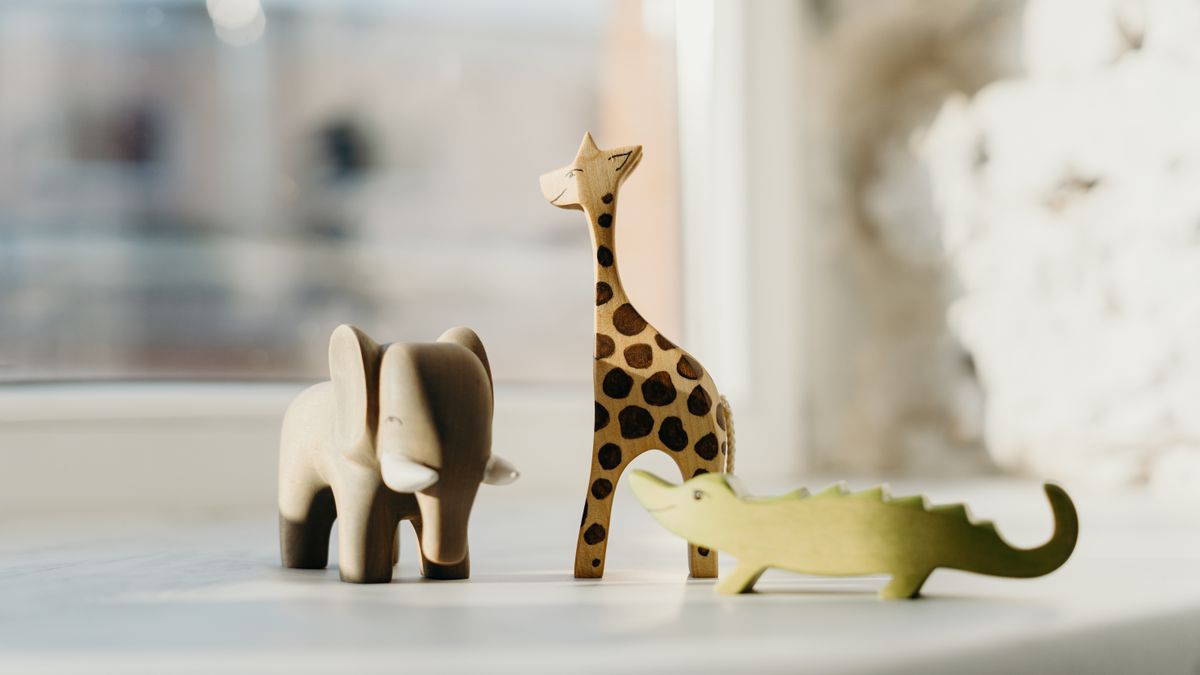
If you have ever stepped barefoot on a stray plastic brick at seven in the morning, you already know that toys take a beating. They get chewed, dropped down stairs, left in the garden overnight and fought over by siblings. That is exactly why the materials matter. A toy that survives three years of enthusiastic play and then gets passed to a cousin or sold at a nearly new sale has done far more good than a cheaper one that cracks within a month and heads straight for the bin.
Buying plastic-free is not about being perfect. It is about asking a few sensible questions before you hand over your card, so the things that come into your home are safe, long-lasting and kind to the planet. Here is what to check.
The main material tells you most of what you need to know. Solid wood is the classic choice, but not all wood is equal. Look for FSC-certified timber, which means it comes from responsibly managed forests, and favour hardwoods such as beech, maple or rubberwood over soft, splintery options. A good wooden toy feels satisfyingly weighty in the hand.
Other materials worth knowing about include:
Be wary of vague labels like "eco-friendly" or "natural". If a brand cannot tell you what the toy is made from, that is your answer.
A wooden toy is only as good as what is painted on it. Cheap finishes can flake off into little mouths, and some contain heavy metals you would rather keep well away from your toddler. Look for toys finished with water-based, solvent-free paints or natural oils such as linseed, flaxseed or beeswax. These are safe if a child chews them and they age gracefully rather than peeling.
If you are buying second-hand, give painted surfaces a quick once-over. Slight wear is fine, but if the paint is chipping badly or the wood feels tacky, walk away. You can also refresh plain wooden toys at home with a food-safe oil, which is a lovely job to do on a rainy Sunday.
There is little point choosing a plastic-free toy if it arrives swaddled in polystyrene and sealed in a plastic window box. Good signs to look for include:
If you are shopping online, it is perfectly reasonable to ask a small retailer how they package orders. Many will happily use paper tape and recycled boxes if you mention it. Buying locally or at a toy library also cuts out the delivery footprint altogether.
The most sustainable toy is the one you keep. Before buying, picture it in your home in five years. Will it still work? Will it still be interesting? Open-ended toys — blocks, dolls, play silks, wooden animals, simple vehicles — tend to win here, because they can be a castle one day and a farm the next. Battery-operated plastic gadgets often lose their charm the moment the novelty wears off, and once the batteries go, so does the toy.
Ask yourself a few practical questions:
Toys that pass this test are worth paying a little more for. Divide the price by the years of play and the sums usually work out in your favour.
Sustainability only counts if the toy is safe. Check for the UKCA or CE mark, which shows the toy meets UK safety requirements. Look for age guidance and take it seriously, particularly with anything small enough to be a choking hazard for under-threes. Natural materials are not automatically safe — a wooden rattle with a loose bead is just as risky as a plastic one.
Practicality matters too. A beautiful wool doll that cannot be washed will not last long in a household with a snotty-nosed toddler, so favour toys with removable, machine-washable covers. Wooden toys can usually be wiped with a damp cloth and a little mild soap, which is a big plus during cold and flu season.
Finally, remember that you do not have to buy everything new. Toy libraries, charity shops, local swap groups and hand-me-downs from friends are some of the greenest sources of all. A well-made wooden train set that has already survived two families will almost certainly survive yours, and that is exactly the point.

Hi, my name is Anthony kuber. I am artist and fashion designer.
I love to travel and writing blogging.
Your email address will not be published. Required fields are marked *
Software Developer & Writer
Hey, I'm Diva, a developer and writer blending code and creativity. I'm driven by a deep curiosity and a relentless pursuit of excellence. Join me as I craft digital solutions and captivating stories.


